EXAMPLES
Representative outputs from custom inspection models. Actual test models are built and evaluated for each client’s specific images and requirements.
Example Industrial Inspection Tasks
Models are custom-built for each use case and can typically achieve high accuracy with minimal real-world data.
Surface Defect Detection
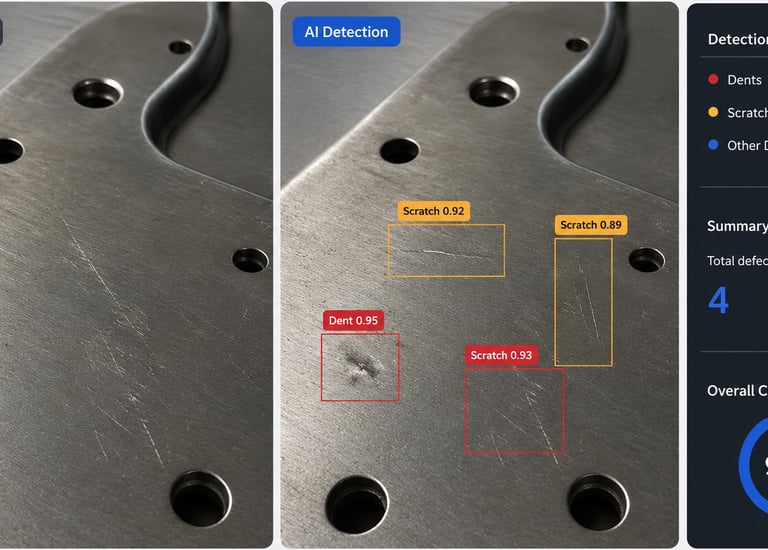
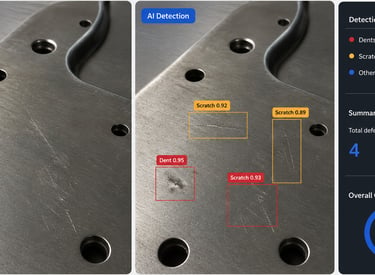
Reduce manual visual inspection by automatically identifying scratches, cracks, dents, and surface defects on industrial components.
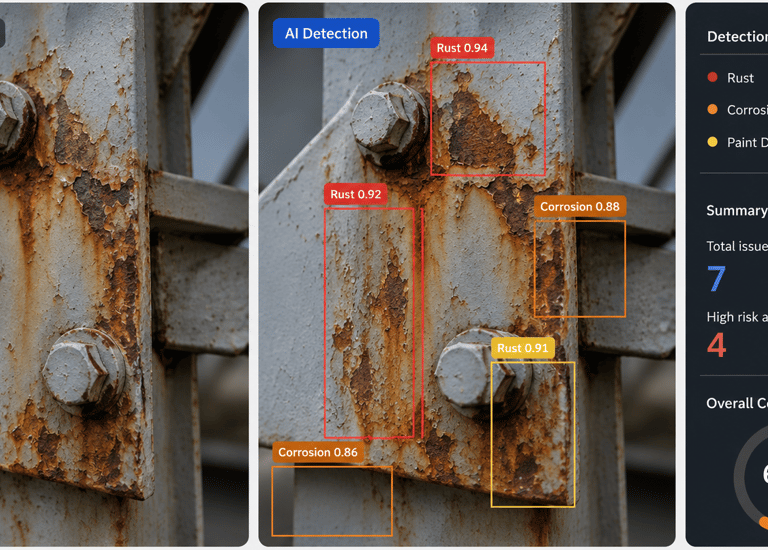
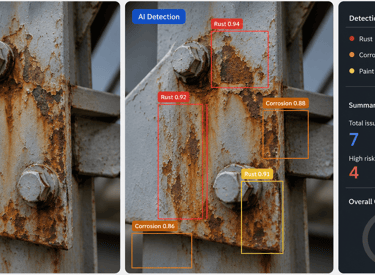
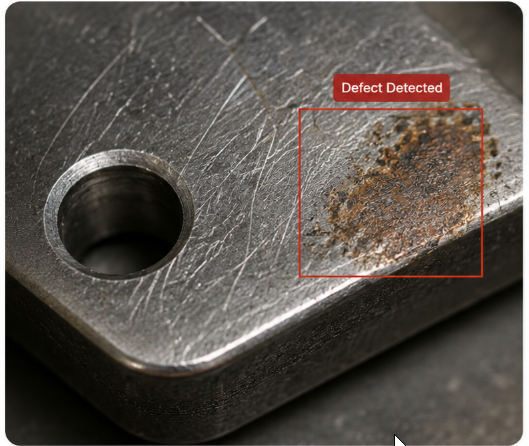
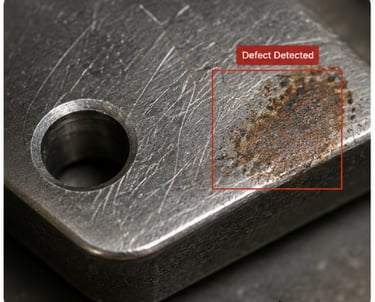
Rust & Corrosion Detection
Identify corrosion early before defective parts reach production or shipment.
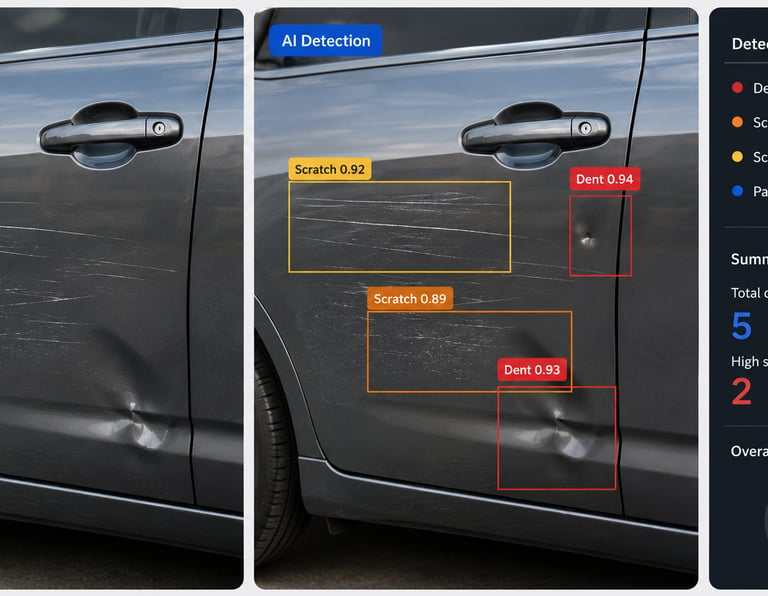
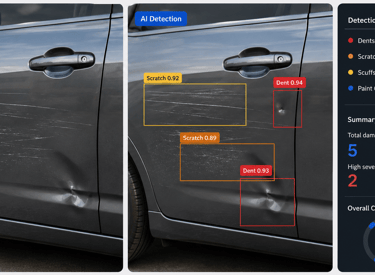
Vehicle Damage Detection
Automate first-pass vehicle inspection and reduce manual review time for damage assessment workflows.
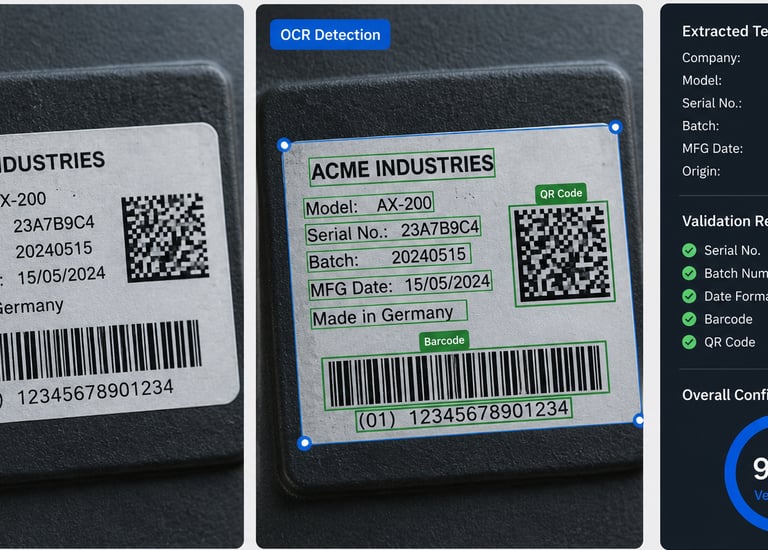
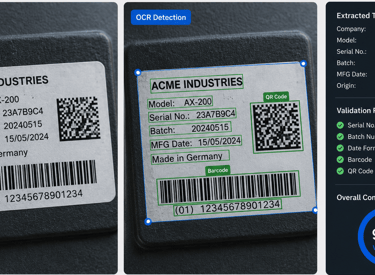
OCR & Label Inspection
Reduce packaging and labeling errors by automatically verifying serial numbers and printed information.
Mini Case Study
Example of how a custom inspection AI model can reduce manual quality control effort in industrial environments.
Solution
Validron developed a custom computer vision inspection model trained to identify visible defects directly from production images.
Result
The system enabled faster and more consistent inspection while reducing repetitive manual checking.
Problem
A manufacturer needed automatic detection of surface scratches and corrosion marks on metal components during visual inspection.
Defect Detection
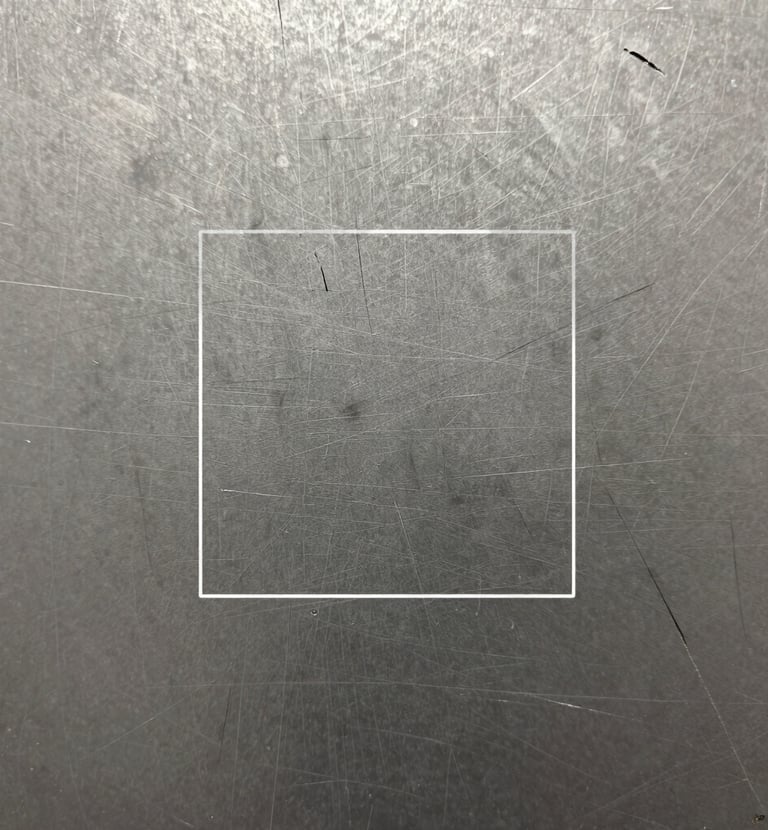
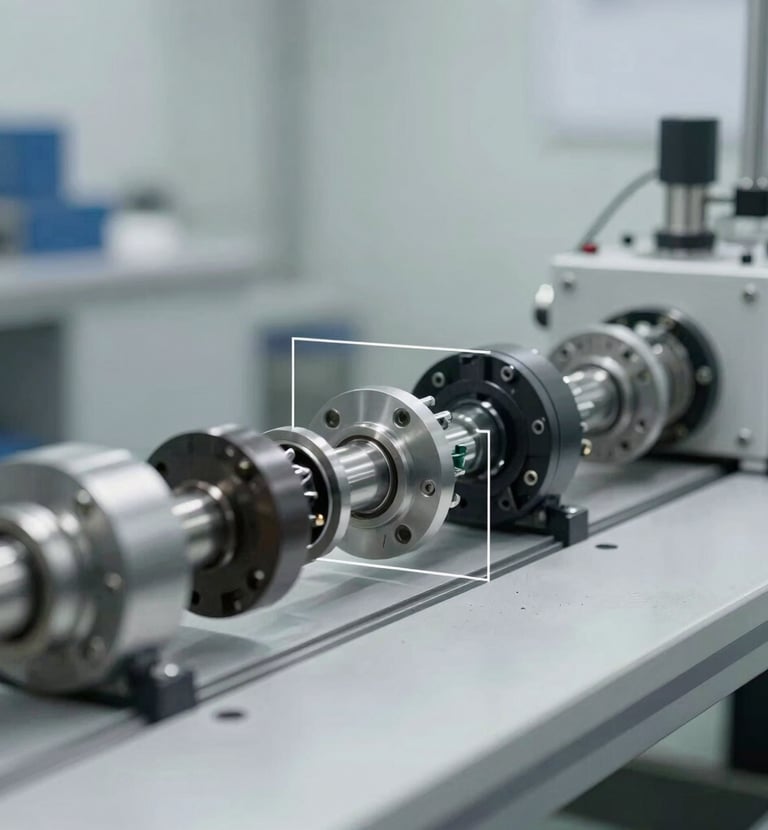
We detect surface defects such as scratches, cracks, and inconsistencies
in materials using custom-trained vision models.
The model is trained on synthetic data and validated on real-world images
to ensure reliable performance in your specific setup.
Applications include surface defect detection (scratches, cracks, rust), connector verification, assembly validation, and detection of missing or misconfigured components.
Presence Check
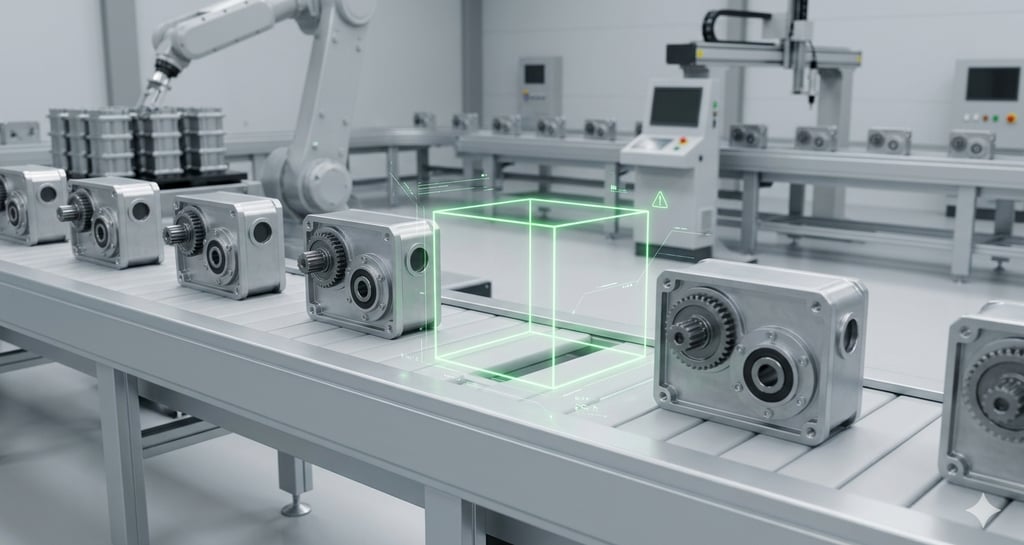
Verify that all required components are present in an assembly. Detect missing or misplaced parts in real time.
Classification
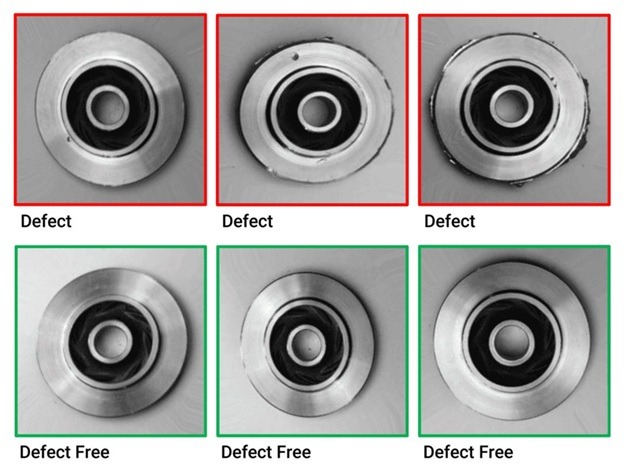
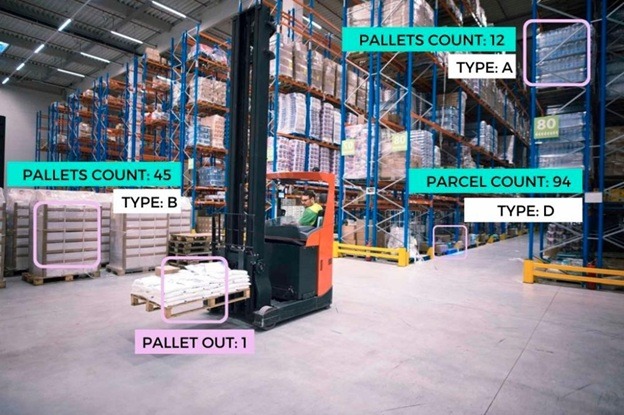
Categorize products based on visual characteristics. Used for sorting, quality grading, or downstream automation.
These examples demonstrate how custom computer vision models are applied to real-world inspection tasks.
Models are trained to detect specific patterns such as
defects, missing components, and visual differences between categories.
In many industrial environments, collecting large datasets of rare defects is difficult.
These models are designed to work effectively even with limited data.
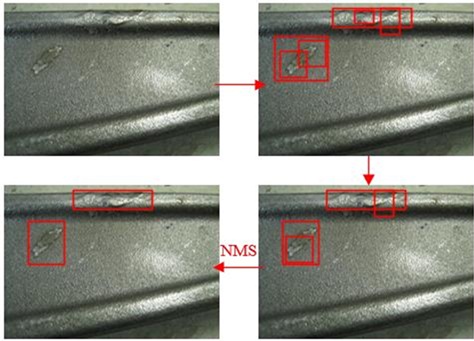
Typical outputs include bounding boxes and classification labels, providing clear and practical results.
Each model is built and validated for a specific use case, ensuring relevance to real production conditions.
If your task involves visual inspection, defect detection, or classification,
a custom model can be built and tested quickly to evaluate feasibility.
Typical applications include:
– Detection of surface defects such as scratches, cracks, dents, and rust on metal or coated components
– Verification of connectors and wiring harnesses in automotive and industrial systems
– Detection of missing or incorrectly assembled parts in production lines
– Validation of component positioning and orientation in assembly processes
– Identification of missing items or incorrect configurations in packaging and kits
VALIDRON
Amsterdam, The Netherlands
info@validron.com